


Hot weather and rains have combined to kick weed growth into overdrive, keeping the Deadheaders busy removing vines from Common Grounds trees and shrubs. Native weeds and invasive vines are found in every corner of Country Creek, including some residents should handle with care due to their toxicity or ability to cause contact dermatitis. Here are a few of the most common:
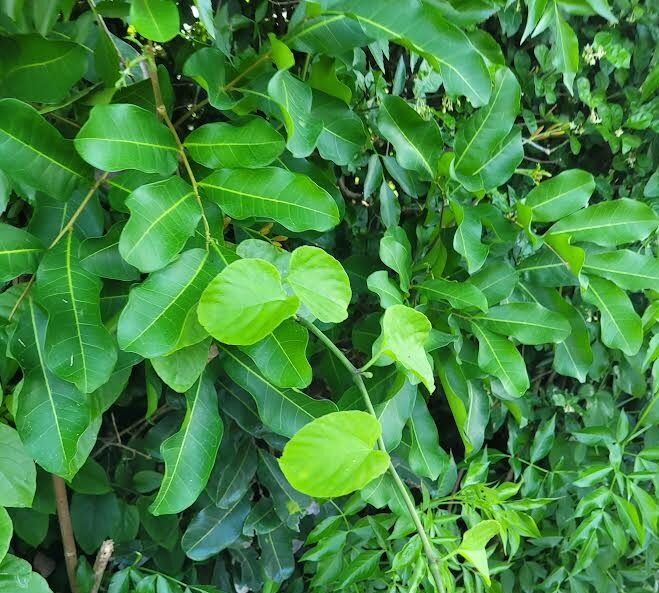
Carrotwood: Carrotwood is an invasive plant that spreads via birds ingesting its seeds. In Florida it is illegal to sell, plant or move carrotwood trees due to their ability to rapidly spread, crowd out native plants and take root in unwanted places. The name carrotwood refers to their bright orange wood, concealed under a layer of smooth gray bark. The plants also produce shiny yellowish-green leaves and seasonal fruit that looks like yellow-orange woody shells. Carrotwood spread is best controlled by pulling out the seedlings by hand.
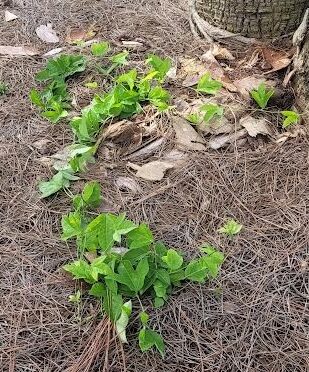
Air potato, also known as air yam: Air potato is a vigorous climbing vine and a member of the yam family. This plant, native to Africa, Asia and northern Australia, produces edible tubers, but the wild varieties are toxic. Air potato was first introduced in Florida roughly 120 years ago as a herbal medicine. After escaping cultivation, the plant multiplied, eventually smothering native plant communities in all 67 Florida counties. A perennial vine, air potato utilizes twining stems to climb over and smother other vegetation. Because of its rapid growth, air potato is considered a highly invasive weed. To stop its spread, climbing vines should be severed at the base and the underground tubers dug up.
Corky passion vine: The corky passion vine is a tough, fast-growing vine native to Florida. It gets its name from the thick, spongy, cork-like bark that develops on its older stems. The plant thrives in Florida’s sandy soil and is highly drought-tolerant. Vines climb using tiny spiral tendrils that can reach up to 15 feet in length. Corky vine produces small, pale white-green flowers and green berries that are technically edible but bitter tasting. This vine is highly aggressive and invasive. Its vines spread rapidly via extensive underground root systems and can send up shoots 20 feet away from the original plant. Corky vine can easily scale up to 20-30 feet in a single season, quickly overtaking trellises, fences and nearby shrubs. Plant growth is controlled by pulling up underground suckers as soon as they appear and snipping off fruit before birds can disperse its seeds.
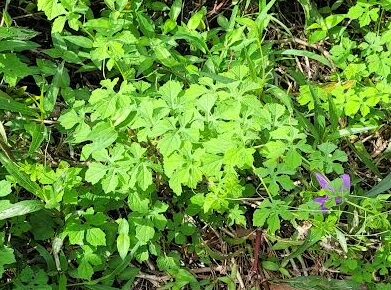
Greater celandine: Greater celandine is a fast-growing weed in the poppy family. It grows up to two feet tall, has bright yellow flowers and spreads quickly by seeds with each flower containing as many as 200 seeds. Officially listed as an invasive weed in several US states, this vine gradually envelops and overwhelms decorative shrubs. The bright orange yellow sap that the vines bleed was used in olden times to burn off warts and corns. The toxic sap can also irritate exposed skin and burn eyes. Every part of the plant is poisonous so gloves should be worn when handling it. Greater celandine is controlled by pulling vines before the plant can flower.
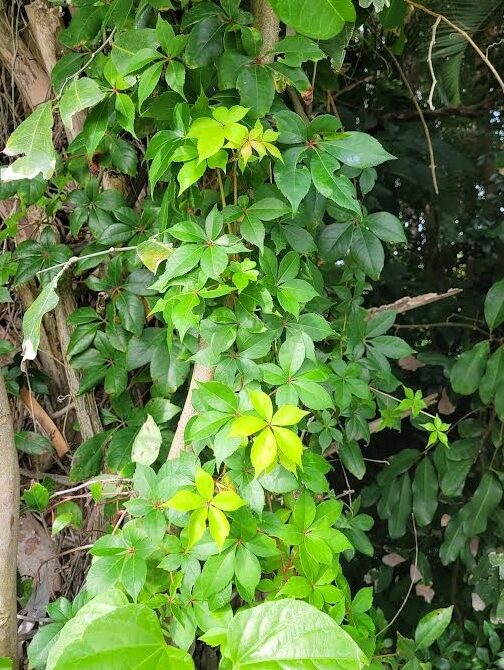
Virginia creeper: This vine is everywhere in Country Creek and highly toxic. Native to the eastern US, Virginia creeper is a perennial, woody, deciduous vine identifiable by its pointy five leaf clusters and bright red stems. The vine produces small greenish flowers in late spring and clusters of blue-black berries in the fall. It is often found climbing up trees and can reach heights of 70 feet or more. The plant’s berries are poisonous and its sap contains needle-shaped crystals that cause severe rashes and blistering on exposed skin. Left unchecked, Virginia creeper will smother shrubs and even trees. Its spread is halted by hand-pulling vines at the base and digging out the main root system.