

Hello and Greetings from the Common Grounds Committee,
This month we would like to provide an update regarding VCC’s trees. You may have noticed some palm trees that have drooping fronds or “interesting” growths on their trunks. These are not good signs for our palms. The Common Grounds Committee, in conjunction with our arborist, Vincent Baca, has been monitoring our community’s tree health. We are finding the number of diseased palms infested with Ganoderma is very high. The diseased trees need to be removed, using proper protocol, as soon as the conditions are discovered. Why is proper removal so important? Because Ganoderma is easily transmitted to other trees with simple acts such as not properly cleaning the pruning/sawing equipment or not properly removing the root ball.
The number of trees that need to be removed within VCC has been concerning committee members. So, we thought we should share some examples of our diseased palms:
In these pictures you can see that the fronds are starting to die, are drooping, and new fronds are not forming – clear signs of a diseased tree:
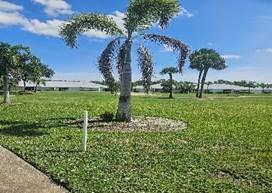
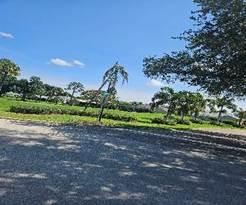
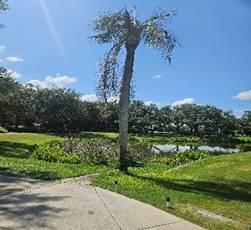
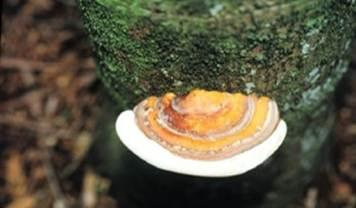
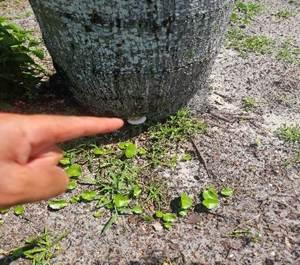
The following pictures show trees that are infected with Ganoderma: note the conks starting to show near the base of the tree. Conks can also form on the roots underground, making it harder to detect until the tree shows signs of disease, as described above. If you notice a palm that seems to be not doing well, please contact a Common Grounds committee member; please do not trim the tree or take any other action until the cause for the unhealthy tree has been identified.
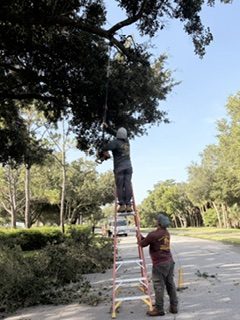
In addition to the proper handling of the infected trees, Vincent and his team assess the health and take care of the hardwood and palm trees both on the golf course and in the common areas. Recently the crew have been working on correcting the effects of ‘lions tailing’ trimming methods practiced by other tree companies in the past. What is a ‘lions tailing’ trimming? A ‘lions tail’ trim removes all small internal branches from the trunk to the end of the limb leaving a cluster of smaller branches hanging at the end of the limb. Therefore, the limb is bare from the trunk of the tree to the hanging cluster at the end of the limb giving the look of an actual lion’s tail. Why is this type of trimming not desirable?
‘Lions tail’ trimming is not desirable due to the potential danger created by these clusters at the ends of the limbs. The weight of the clusters can cause the branch to weaken, making it hang low over roadways and sidewalks and eventually breaking the limb away from the trunk of the tree. In addition, this improper trimming technique can: create sunscald to the tree as areas of the tree are over exposed to the sun; make the tree more susceptible to disease; and remove too much foliage, disrupting the tree’s energy reserve needed for growth, limiting the tree’s ability to maintain itself through photosynthesis. How is ‘lions tail’ trimming corrected? Fixing the ’lions tail’ trimming includes initially lightly pruning the heaviest branches to reduce the weight at the branch ends along with pruning to promote growth to stimulate dormant buds on the tree’s interior. While correcting the ‘lions tail’ trimming does take time, it is important that we be proactive to selectively prune the clusters to not only prevent an accident, such as a branch falling onto a passing car, bicyclist or walker, and to prevent damage to the tree when the limb breaks but also preserve our trees.
While we have been actively involved with the care of our existing trees, we haven’t forgotten about beautification projects. So, what is happening with our new plantings? Our year-round residents may have noticed that new plantings have been delayed. With the extreme heat and lack of rainfall that Florida has been experiencing, our plans for new plantings had to be postponed. As soon as the weather conditions improve, the plans for the plantings will be restarted. We, too, are eagerly looking forward to the new plantings – and will keep you updated as we are able to proceed.