


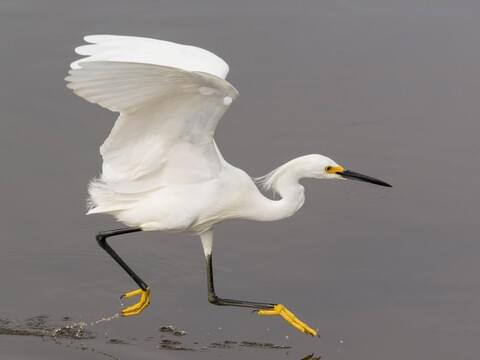
SNOWY EGRET

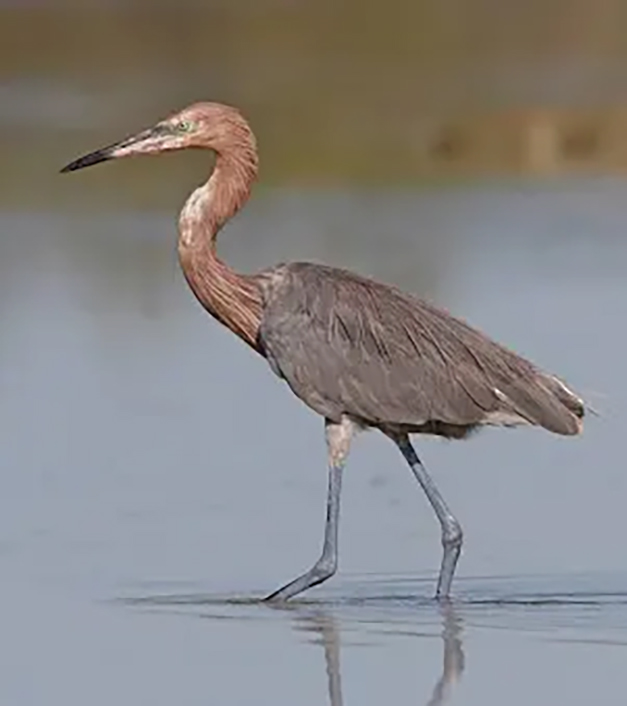
Florida is home to several egret species, most notably the Great Egret, a large white bird with black legs and yellow bill, and the smaller Snowy Egret with black legs and yellow feet. The Cattle Egret is also common, often found near livestock or other large animals to feed on disturbed insects. All these egrets, along with the distinctively colored Reddish Egret, are part of the Heron family (Ardeidae) and inhabit Florida’s various wetlands, marshes, and grasslands.
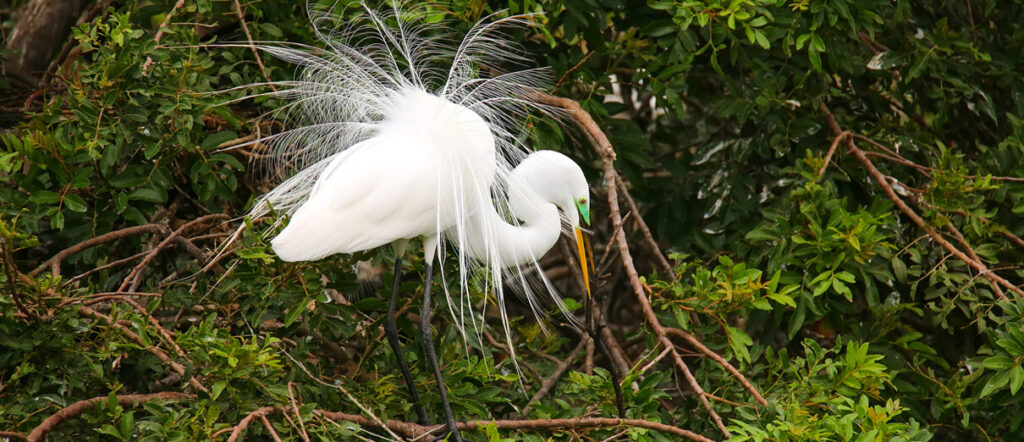
The graceful, all-white Great Egret stands over 3 feet tall and is much larger than the Snowy or Cattle Egret. During the breeding season, many egrets, like the Great Egret and Snowy Egret, develop long, delicate plumes that the bird fans during displays. In the late 19th century, large numbers of egrets and herons were indiscriminately killed for their beautiful plumes, which were used in fashionable ladies’ hats. By 1897, the newly formed Massachusetts Audubon Society helped convince the Massachusetts legislature to outlaw the wild bird feather trade. Soon, other Audubon societies formed around the United States that led to the creation of the National Audubon Society, which has the Great Egret as its symbol.
Although Great Egrets are usually solitary birds, they congregate in colonies (also known as rookeries) during their breeding season, often alongside other wading birds such as Reddish Egrets and other herons or Wood Storks. These large, noisy colonies are usually located high in trees or shrubs over water, to discourage potential predators. Within the colony, Great Egrets are territorial and aggressive, defending their space with sharp bill jabs and harsh calls.
Great Egrets are omnivores eating mainly small fish but also consuming amphibians, reptiles, birds, and small mammals, as well as invertebrates including crayfish, shrimp, dragonflies, and grasshoppers. This bird’s hunting strategy is as flexible as its diet. It can be seen foraging alone or in groups, wading through shallow water in search of food, or standing stock-still, waiting for unsuspecting prey to approach. Prey is secured with a quick jab of the egret’s long neck and bill. Although usually associated with water, Great Egrets occasionally hunt on land, in grassy areas or mown fields. In Florida, for example, they can be seen patrolling lizard-sheltering shrubs, shadowing people fishing, and even grubbing turkey leg scraps from amusement park patrons.
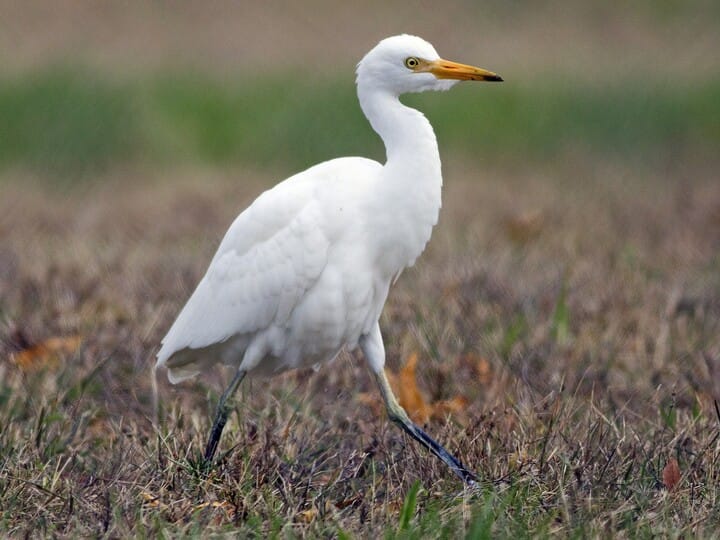
Snowy Egrets prefer a different approach. They walk slowly through the shallows, regularly pausing to stretch one leg forward and rapidly waggle it. This movement disturbs the floor and flushes out small fish and other aquatic creatures, which the egret can then catch. Their bright yellow feet are thought to help disturb prey. Cattle Egrets are often found away from water, in fields of livestock. You’ll see them following the grazing mammals, feeding on insects and other small animals they disturb. They stroll along behind the grazers, sometimes breaking into a short run when they spot prey.
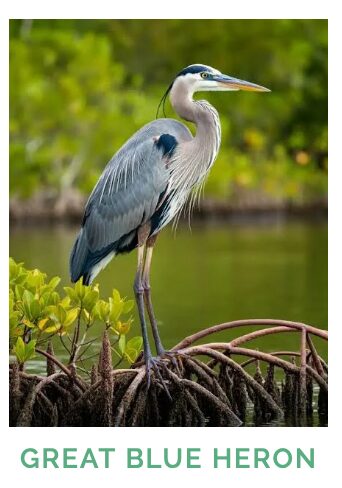
To tell if you saw a crane or a heron, look at its neck and behavior while flying: herons have long, “S”-shaped necks and fly slowly with that curve, while cranes fly with straight necks and have shorter, faster wing movements. Also, herons fly with their legs stretched out behind them while cranes fly with their legs dangling.