



Little Miss Muffet sat on her tuffet,
Eating her curds and whey.
Along came a spider who sat down beside her
And frightened Miss Muffet away.
There are over 53,000 known species of spiders found on every continent except Antarctica with nearly 3,000 of them in North America. They’ve been around for at least 50 million years. They belong to the class Arachnida, making them close relatives of scorpions and ticks. There are several species found in southwest Florida; most are harmless, but some are quite dangerous.
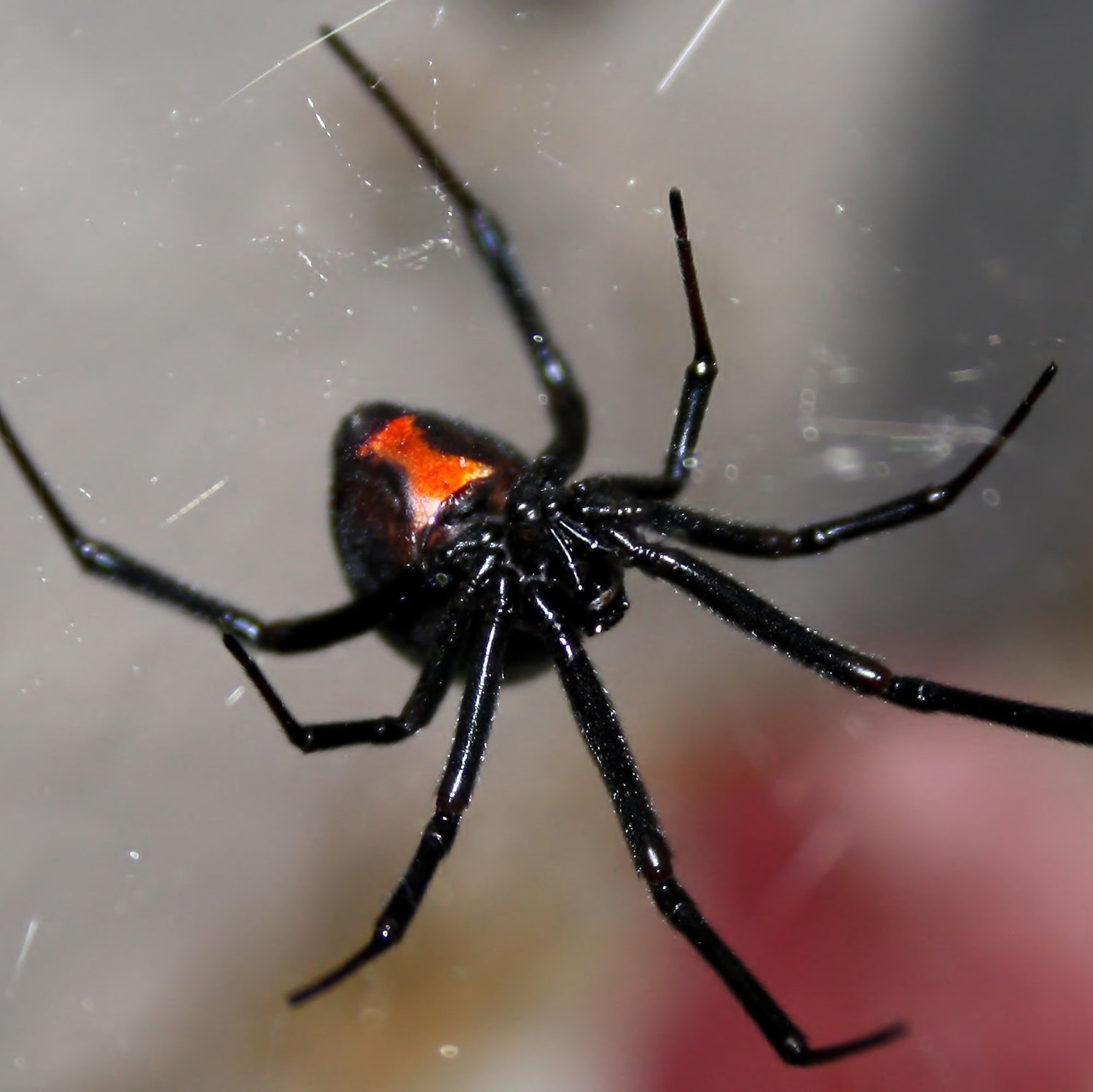
Southern Black Widow Spider
The Southern black widow is one of the most well-known venomous spiders in Florida. It is easy to identify by its shiny black body and the signature red hourglass-shaped marking on the underside of its abdomen. The hourglass is often orange or red, and the spider is generally about 1.5 inches in length (with legs). Black widows are solitary creatures that are typically found in undisturbed outdoor areas, though they can sometimes venture indoors. They build irregular, tangled webs where they rest during the day and hunt at night.
The venom of the Southern black widow is highly toxic and can cause severe reactions in humans. While bites are rarely fatal, they can lead to intense pain, muscle cramps, nausea, and other symptoms. Immediate medical attention is necessary if bitten.
Brown Recluse Spider
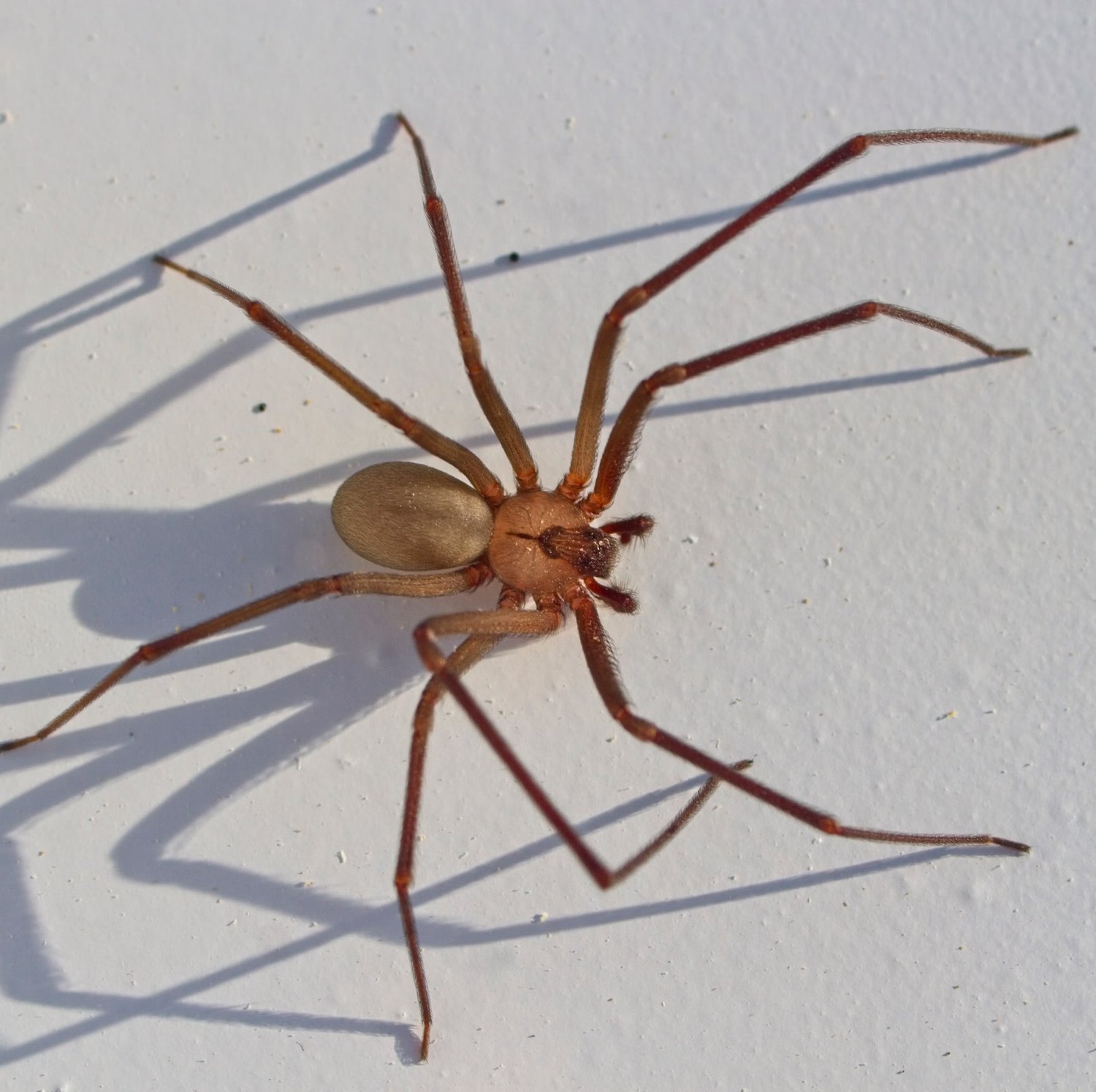
The brown recluse spider is one of the more well-known and potentially dangerous spiders found in Florida, though they are still relatively rare in the state. Known for their shy and reclusive nature, these spiders often prefer dark, undisturbed areas like closets, attics, or basements. They are efficient hunters and often hide in places like piles of clothing or boxes.
They are potentially dangerous. A brown recluse bite can cause medical issues. The venom can lead to skin necrosis (tissue death) in some cases, though many bites result in only mild reactions. Immediate medical attention is recommended if bitten by a brown recluse.
Brown recluse spiders are typically light brown or tan with a characteristic dark, violin-shaped marking on their backs (with the neck of the violin facing the abdomen), which is often the easiest way to identify them. They are medium-sized spiders, with a body length of about 1/4 to 1/2 inch. Including legs, they are about the size of a penny. Their legs are long and thin, and they have six eyes arranged in pairs, unlike most spiders, which have eight. They tend to be inactive during the day and create irregular webs in corners or hidden spots.
Brown recluse spiders are frequently suspected in Florida, but current University of Florida guidance indicates that the species is not established in the state. Verified recluse records in Florida have been rare and localized.
Common House Spider
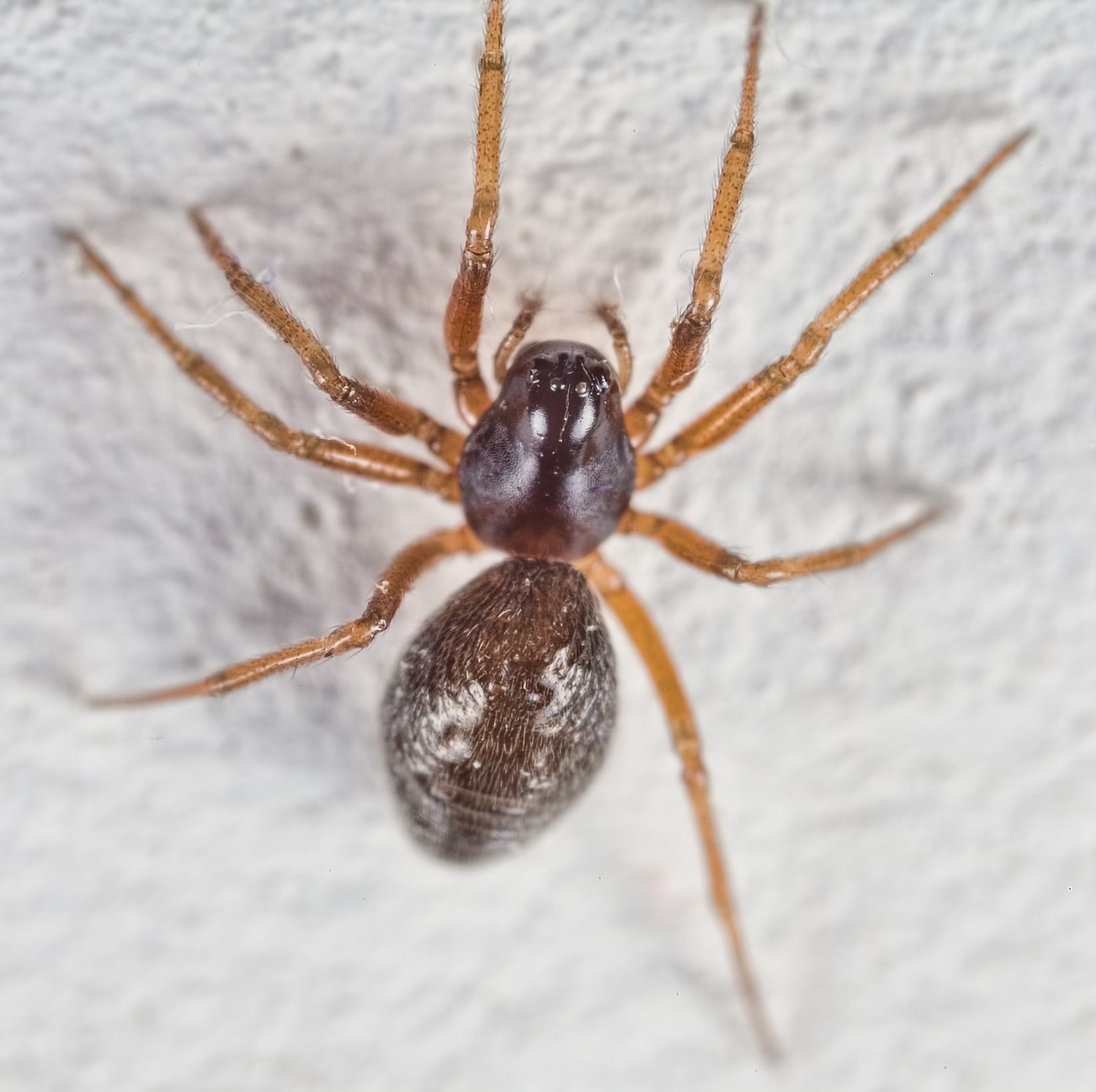
Common house spiders are small, often brown or gray spiders (usually about the size of a dime including legs) that are frequently found inside Florida homes. These spiders are typically harmless and prefer dark, undisturbed areas where they can spin their webs to catch a variety of insects. They are one of the most prevalent indoor spiders and are often seen in corners, basements, or attics. Their webs are typically messy and irregular.
Golden Silk Orb-Weaver Spider
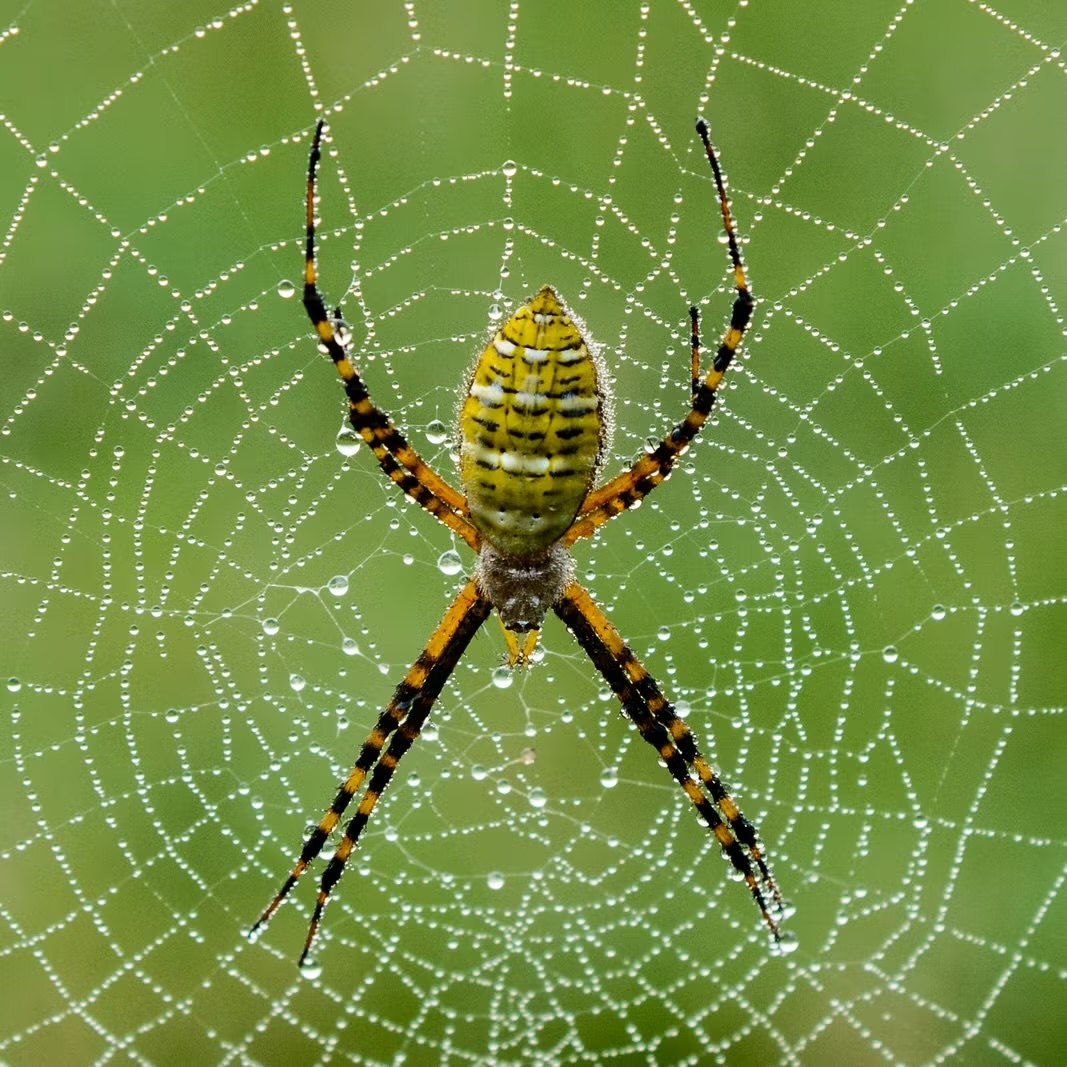
The golden silk orb-weaver, often called the “banana spider” due to its yellowish hue, is known for its large body size (up to 3 inches) and impressive golden-colored webs that reflect the sun’s rays. These spiders are skilled builders, weaving some of the most beautiful and strong webs in the spider world. Though their appearance can be intimidating, they are generally harmless and are beneficial to the ecosystem by preying on various insects, including mosquitoes and flies.
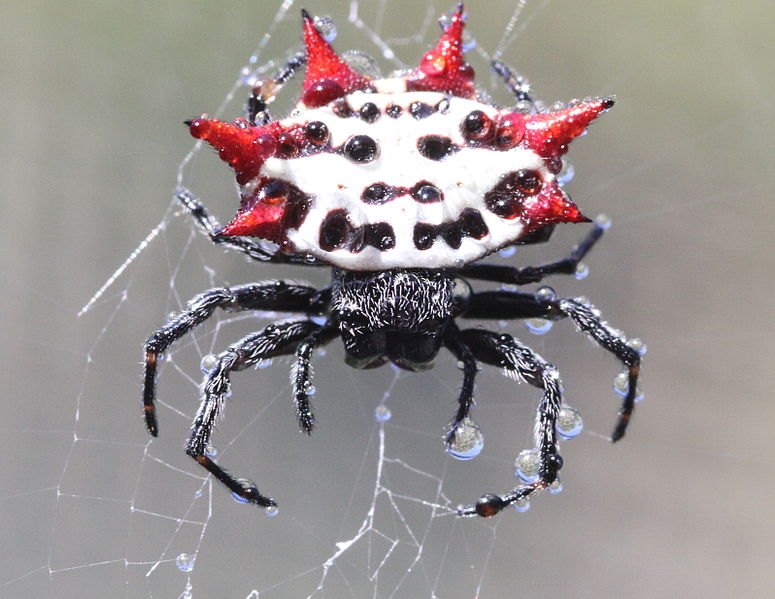
Spiny Orb-Weaver Spider
Spiny orb-weavers get their name from the webs that they spin, which are orb-shaped and flat, as well as the spines they have on their abdomens. Their colorful appearance is visually striking. Its crab-shaped body is usually less than 1 inch long. These spiders are not aggressive and pose no danger to humans, making them more of a curiosity than a threat. They are beneficial in Florida gardens, as they help control insect populations by trapping pests in their webs. Their webs are usually located high off of the ground, perhaps in the bushes, on trees, along the gutters of a home, or underneath outside light sources. They feed on insects, both crawling and flying insects, that venture too close to their webs.
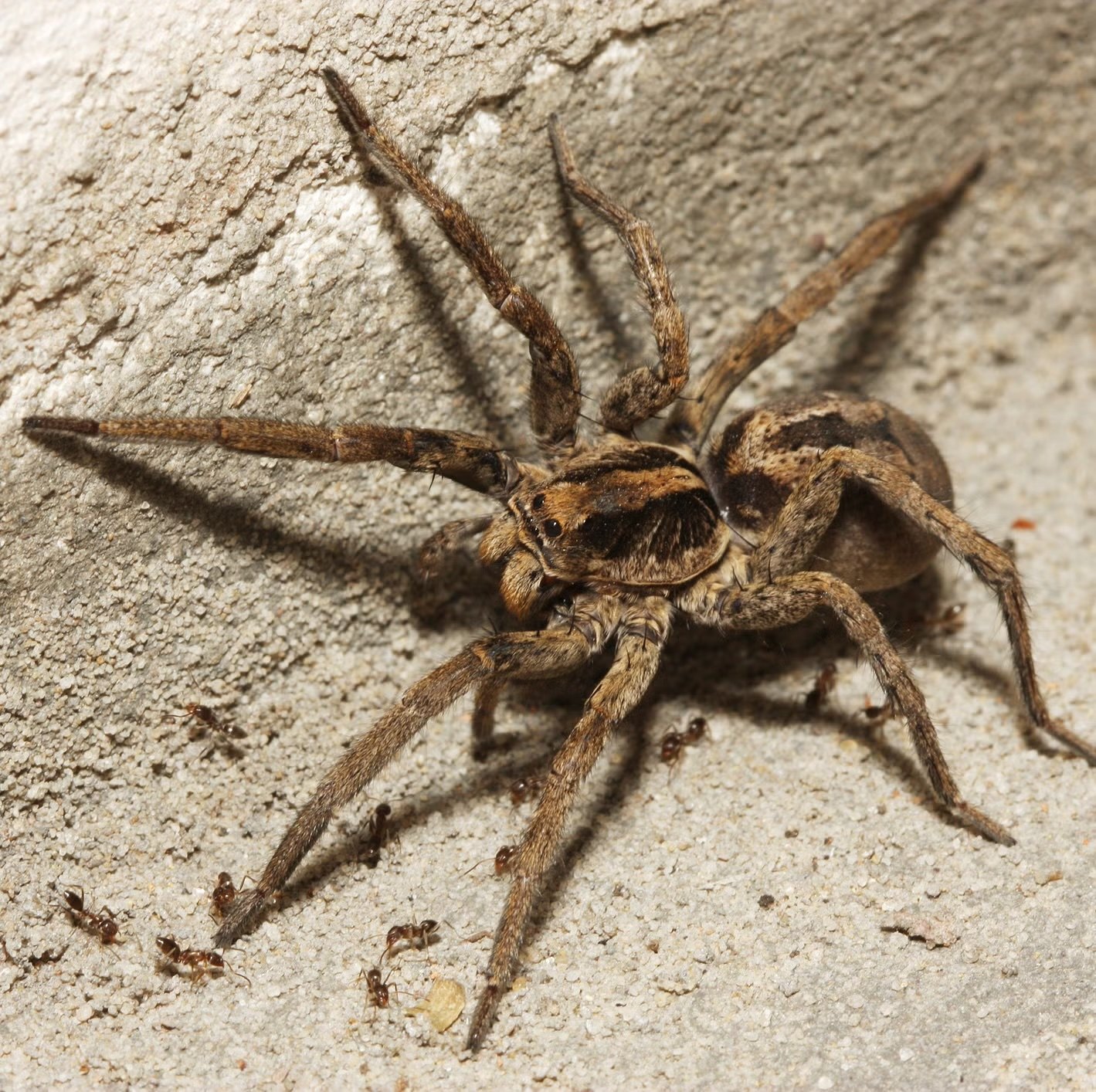
Wolf Spider
Wolf spiders are large, robust hunters known for their speed and agility. Unlike web-building spiders, wolf spiders are active ground hunters that rely on their quick reflexes to catch prey. They are solitary and primarily nocturnal, roaming around gardens and homes in search of insects. A wolf spider’s body measures from .5 to over 1.5 inches long with leg spans that can reach 2 inches or more (clearly enough to frighten Miss Muffet).
They are typically brown, gray, tan, or black with distinctive darker stripes or chevron patterns down the back, providing camouflage in leaf litter and mulch. They have a sturdy, hairy appearance, which sometimes leads them to be mistaken for tarantulas. Their large eyes reflect light at night, which is helpful for spotting them outdoors with a flashlight. They are shy, non-aggressive, and prefer to flee from people. Bites only happen if they are accidentally trapped or pressed directly against the skin. A bite may cause minor local pain, redness, or swelling, similar to a bee sting.
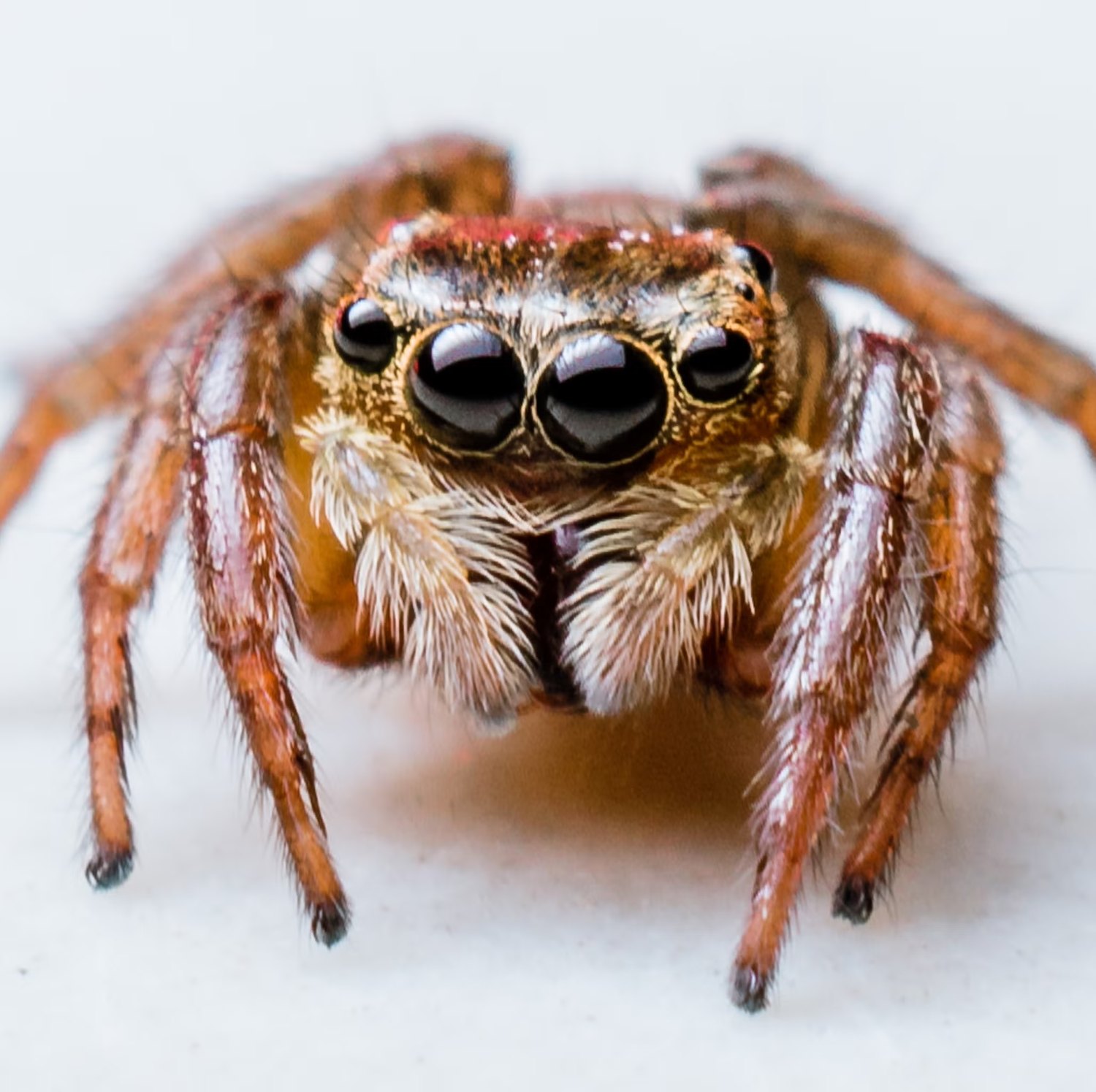
Jumping Spider
Jumping spiders are among the most active and curious spiders found in Florida. Unlike many other spiders, they don’t spin webs to catch prey. Instead, they rely on their excellent vision and agility to stalk and pounce on their food. With large, forward-facing eyes, they’re alert and often seem to observe their surroundings, making them fun to watch. Jumping spiders are commonly found on windowsills, door frames, garden plants, and sometimes even inside homes. They prefer well-lit areas where they can hunt for insects during the day. They’re usually small, compact, and stocky, with furry bodies. Jumping spiders often have bold, striking color patterns, including black, brown, white, or even metallic green. Their distinctive eyes, with two large front-facing eyes and several smaller ones, give them an adorable yet alert look. Their quick, jerky movements and habit of “watching” people can make them easily identifiable.
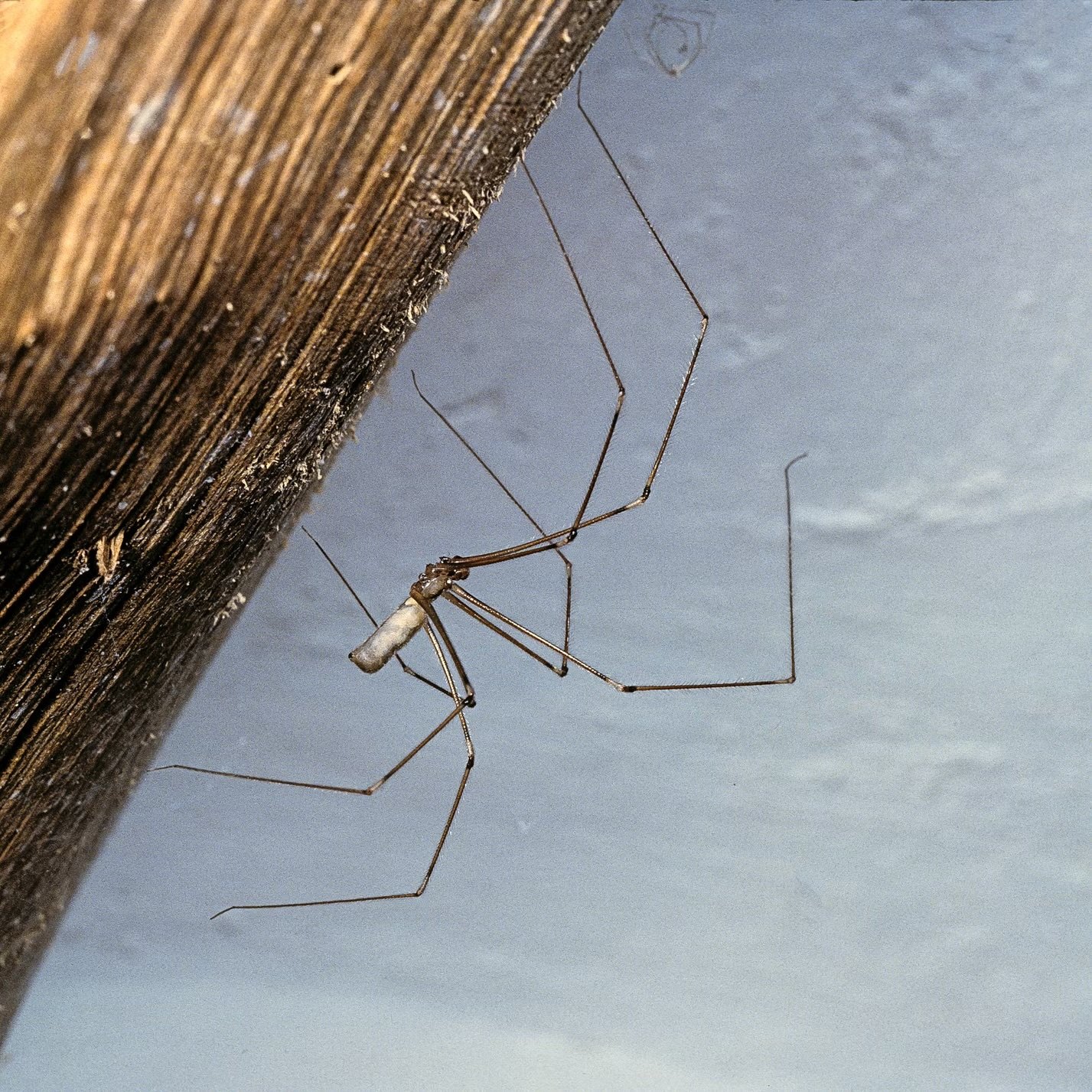
Cellar Spider
Often called “daddy long-legs,” cellar spiders are easily recognized by their long, thin legs and small, slender bodies. They’re one of the most common spiders found indoors in Florida, particularly in humid, secluded areas. Known for their gentle nature, cellar spiders help control the insect population in homes. Cellar spiders are typically pale gray, light brown, or tan and have extremely long, thin legs. They build loose, tangled webs, often in corners or above doorways, where they hang upside-down. Their web-building habit and the characteristic “vibrating” or shaking motion they use when disturbed make them easy to identify.
Notes:
Wikipedia
Michigan State University
Premier Pest management
Prevention